Heel Spurs
What’s Causing That Sharp Pain in Your Heel?
Does it feel like you’re stepping on a small rock every morning? That sharp heel pain may be more than just tired feet—it could be a heel spur. This common yet often misunderstood condition can cause significant discomfort. The good news is that most heel spurs can be treated successfully without surgery. With the right care, you can get back to walking comfortably again.
What Is a Heel Spur?
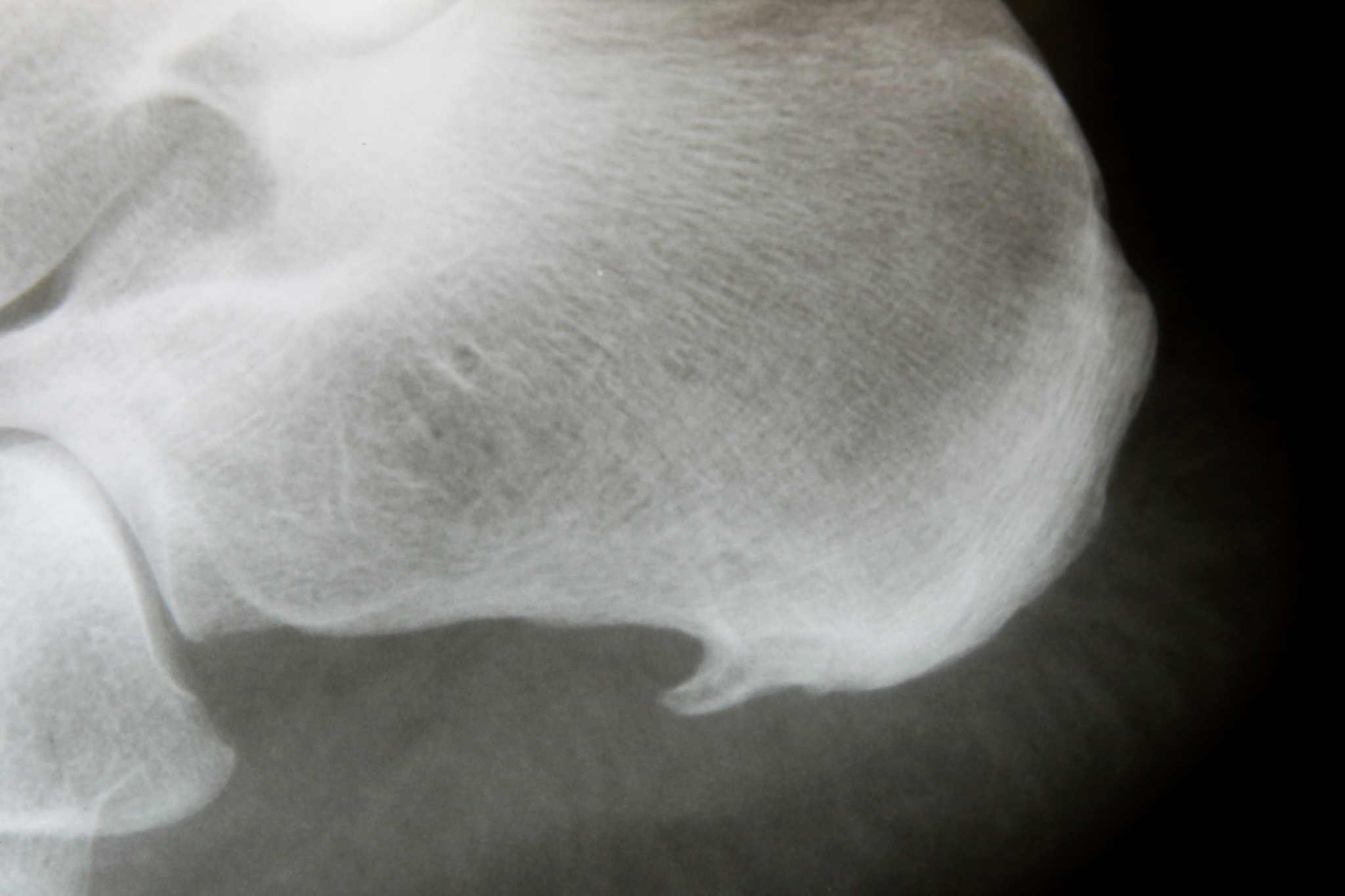
A heel spur is a calcium deposit that forms a bony growth on the underside of the heel bone. Some heel spurs are visible on X-rays, while others cause pain through soft tissue inflammation. They often occur alongside plantar fasciitis, a condition involving inflammation of the ligament that connects your heel to your toes.
Not every heel spur is painful, but when inflammation develops, it can feel like you’re walking on a pebble with every step.
What Causes Heel Spurs to Form?
Heel spurs typically develop over time due to repetitive stress on the heel and arch. Common contributing factors include:
- Long-term inflammation from plantar fasciitis
- Wearing unsupportive footwear
- Running, jumping, or standing for long hours
- Flat feet or high arches
- Excess body weight increases heel pressure
These repeated stresses cause calcium deposits to form, gradually creating a spur.
What Causes Heel Spurs to Form?
Heel spurs can cause:
- Sharp pain under the heel, especially with the first steps in the morning
- A dull ache after standing or walking for long periods
- Swelling or tenderness at the bottom of the foot
- Pain that improves with movement but returns after rest
If these symptoms sound familiar, it’s time to have your feet evaluated.
How Heel Spurs Are Diagnosed
Diagnosis begins with a physical exam and a review of your symptoms. To confirm the condition, your podiatrist may order X-rays to identify the presence of a spur. It’s also important to distinguish whether your pain is from the spur itself or from plantar fasciitis, as treatments can differ.
Non-Surgical Treatment Options for Heel Spurs
Most heel spur cases respond well to conservative care. We focus on reducing inflammation, supporting proper foot mechanics, and relieving heel pressure.
Common treatments include:
- Custom orthotics to improve alignment and reduce strain on the heel
- Anti-inflammatory medications or corticosteroid injections for pain and swelling
- Supportive footwear with proper cushioning and arch support
- Stretching and strengthening exercises for the calves and plantar fascia
- Night splints to keep the plantar fascia lengthened overnight
- Activity modification during flare-ups to prevent irritation
These treatments work together to relieve pain and promote long-term healing.
When Is Surgery for Heel Spurs Necessary?
Surgery is only recommended if pain persists after 6–12 months of conservative care. Procedures may include:
- Removal of the spur
- Plantar fascia release to reduce tension and inflammation
Recovery typically involves rest, gradual activity, and physical therapy to restore comfort and mobility.
Prevention Tips: Keep Heel Spurs From Coming Back
You can help prevent heel spurs by:
- Maintaining a healthy weight
- Wearing supportive shoes (even indoors)
- Using custom orthotics if prescribed
- Stretching daily
- Addressing heel pain early before it becomes chronic
Why Choose Us for Heel Spur Treatment?
We have extensive experience diagnosing and treating heel pain and heel spurs through effective, evidence-based methods. Our approach prioritizes conservative treatment before surgery, ensuring your care plan fits your lifestyle and goals. With a convenient location and flexible appointment options, we make it easy to get the expert care your feet deserve.
Don’t Let Heel Spurs Slow You Down
If heel spurs are making every step uncomfortable, don’t wait to get help. Schedule an appointment with us today for a clear diagnosis and a personalized treatment plan. Call us now at (724) 774 -1525 or book online to start your recovery journey now.
Contact Us
Office
336 College Avenue, Suite 106, Beaver,
PA , 15009
Monday: 8am – 12pm
Tuesday: 8am – 4:30pm
Wednesday: 8am – 4:30pm
Thursday: 8am – 4:30pm
Friday: 8am – 12pm
Saturday: Closed
Sunday: Closed