Bunions
A painful bunion can make walking, exercising, and even wearing your favorite shoes uncomfortable. If you’ve noticed a bump forming at the base of your big toe, early treatment can help relieve pain, improve mobility, and prevent the deformity from worsening.
At Foot & Ankle Associates of Greater Pittsburgh, our experienced foot and ankle surgeons provide comprehensive bunion care for patients throughout Greater Pittsburgh, Beaver, and surrounding Western Pennsylvania communities. From conservative treatments to advanced surgical correction, we’ll recommend the option that’s best suited to your needs and lifestyle.
What Is a Bunion?
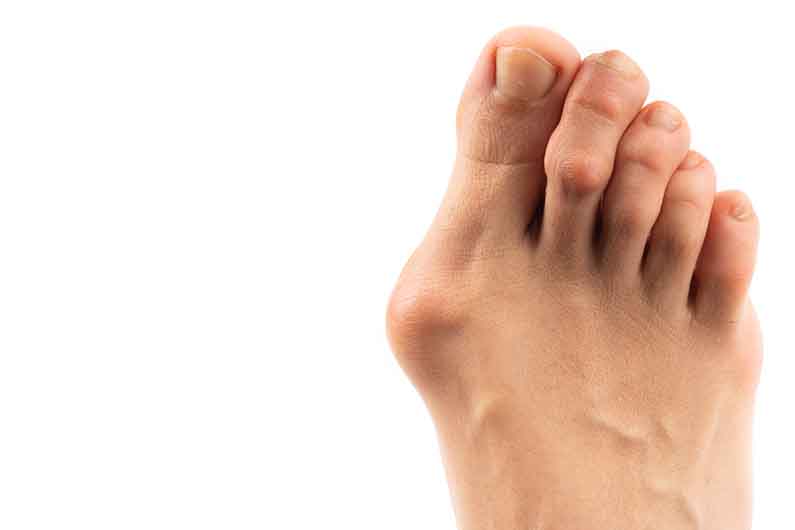
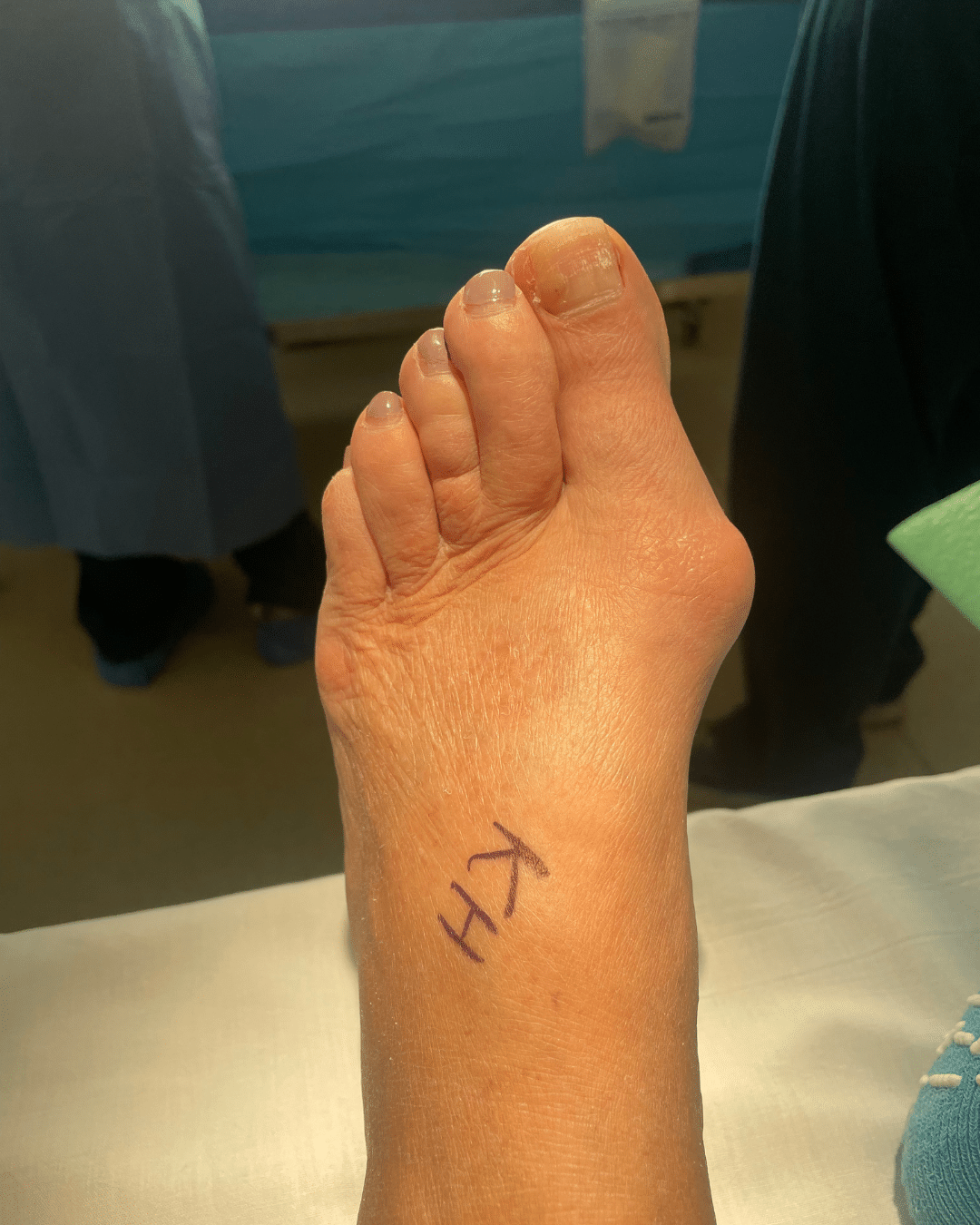
A bunion, or hallux valgus, is a deformity of the first metatarsophalangeal (MTP) joint, commonly known as the big toe joint. As the first metatarsal bone gradually shifts inward, the big toe moves toward the second toe, creating the characteristic bump on the side of the foot.
Because bunions are progressive, they often become more painful over time. Without treatment, they can interfere with walking, limit footwear choices, and contribute to arthritis or other toe deformities.
Symptoms of Bunions
Signs of a bunion may include:
- A noticeable bump at the base of the big toe
- Pain or tenderness around the joint
- Swelling, redness, or irritation
- Difficulty wearing certain shoes
- Limited movement of the big toe
- Corns or calluses between the first and second toes
- The second toe beginning to overlap the big toe
If you’re experiencing these symptoms, our specialists can evaluate your condition and recommend the most effective treatment.
What Causes Bunions?
Several factors can contribute to bunion development, including:
- Genetics: Many people inherit a foot structure that increases their risk of developing bunions.
- Foot Mechanics: Flat feet, ligament laxity, and abnormal biomechanics can place additional stress on the big toe joint.
- Footwear: Shoes with narrow toe boxes or high heels may aggravate an existing bunion and increase discomfort.
- Inflammatory Conditions: Diseases such as rheumatoid arthritis can contribute to bunion formation.
How We Diagnose Bunions
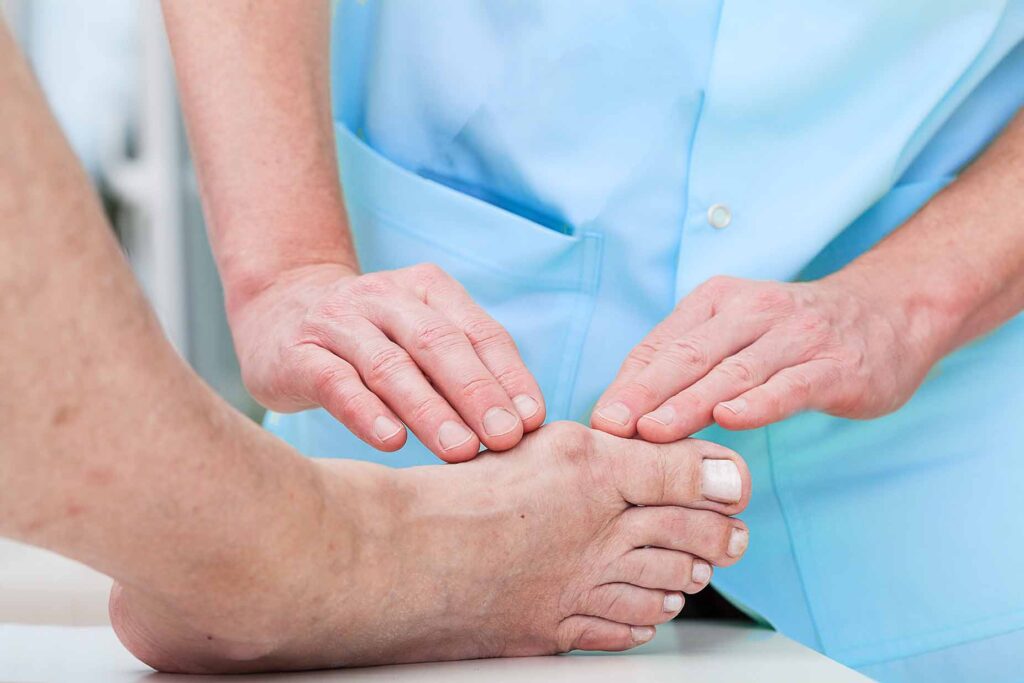
Every treatment plan begins with a comprehensive evaluation. During your visit, we’ll review your symptoms, examine your foot alignment and range of motion, and obtain weight-bearing X-rays to assess the severity of the deformity and determine whether arthritis or joint damage is present.
This detailed evaluation helps us create a personalized treatment plan based on your condition and goals.
Bunion Treatment Options
Treatment depends on the severity of your bunion, your symptoms, and your activity level.
Conservative Treatment
Although conservative treatment cannot reverse a bunion, it can help relieve pain and improve comfort. Your treatment plan may include:
- Shoes with a wide toe box
- Protective bunion pads
- Custom orthotics to improve foot alignment
- Toe spacers when appropriate
- Anti-inflammatory medications
- Ice therapy to reduce pain and swelling
- Activity modifications to reduce pressure on the joint
Many patients find significant relief with these non-surgical options.
When Is Bunion Surgery Recommended?
Surgery may be recommended if:
- Pain persists despite conservative treatment
- Walking or daily activities become difficult
- The deformity continues to worsen
- Arthritis develops in the joint
- The second toe begins to shift or overlap
Our surgeons will explain your options and determine whether surgical correction is the right solution for you.
Bunion Surgery in Greater Pittsburgh & Beaver, PA
The goal of bunion surgery is to relieve pain, restore proper alignment, and improve foot function.
Depending on the severity of your condition, your surgeon may recommend minimally invasive bunion surgery, an osteotomy to realign the bones, or another corrective procedure. Every treatment plan is customized to your individual needs.
Most bunion procedures are performed on an outpatient basis, allowing patients to return home the same day.
Recovery After Bunion Surgery
Recovery varies depending on the procedure performed and your overall health. Most patients wear a protective surgical shoe or boot while the foot heals and gradually return to supportive footwear as recovery progresses.
Your surgeon will provide personalized instructions regarding weight-bearing, activity restrictions, and your return to normal daily activities. While swelling may continue to improve over several months, many patients experience significant pain relief and improved function throughout the recovery process.
What Happens If You Ignore a Bunion?
Because bunions are progressive, delaying treatment can lead to:
- Increased deformity
- Chronic foot pain
- Arthritis in the big toe joint
- Second toe deformities
- Difficulty wearing shoes comfortably
- Reduced mobility and activity levels
Early evaluation can help preserve your treatment options and reduce the risk of future complications.
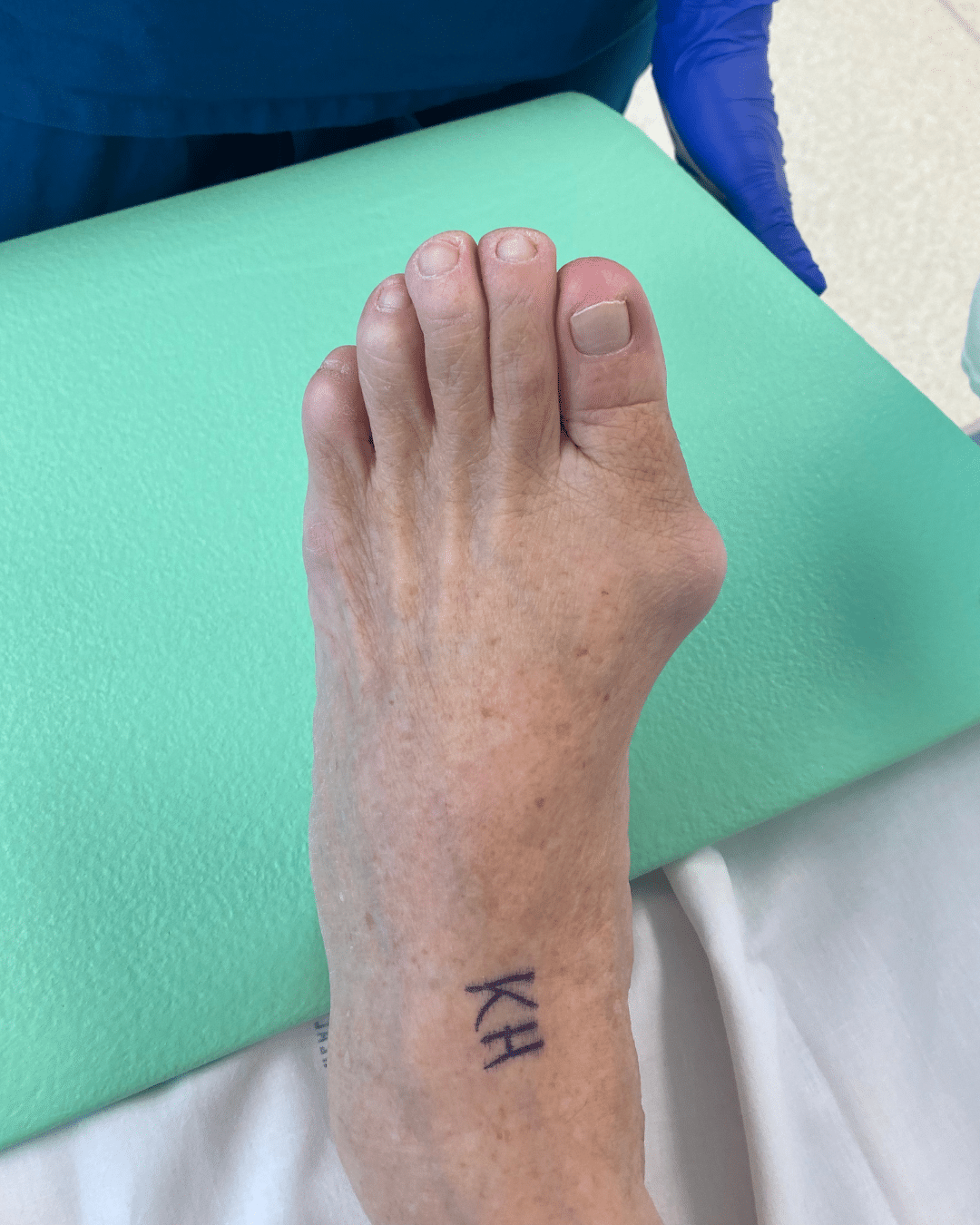
Before
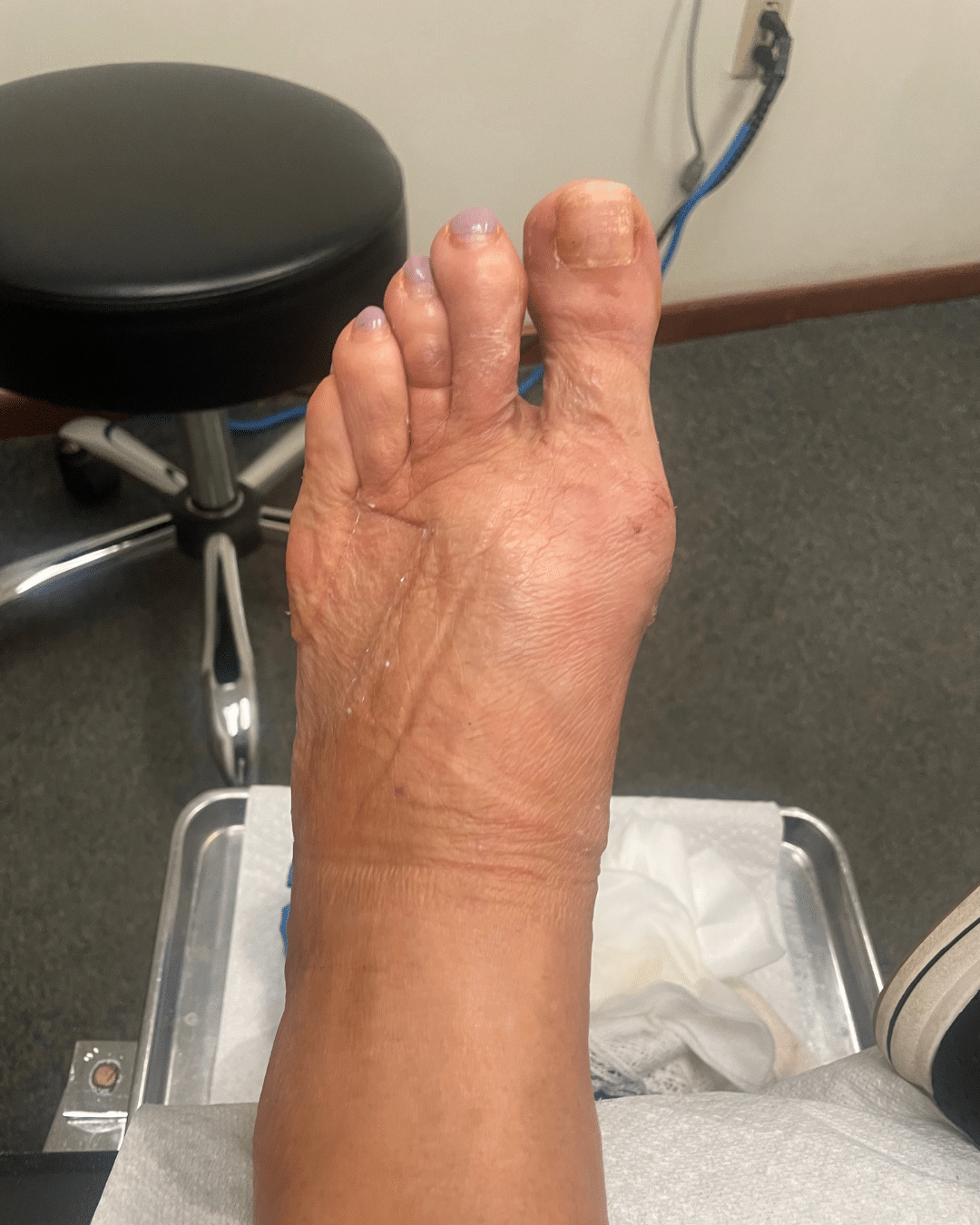
After
Before
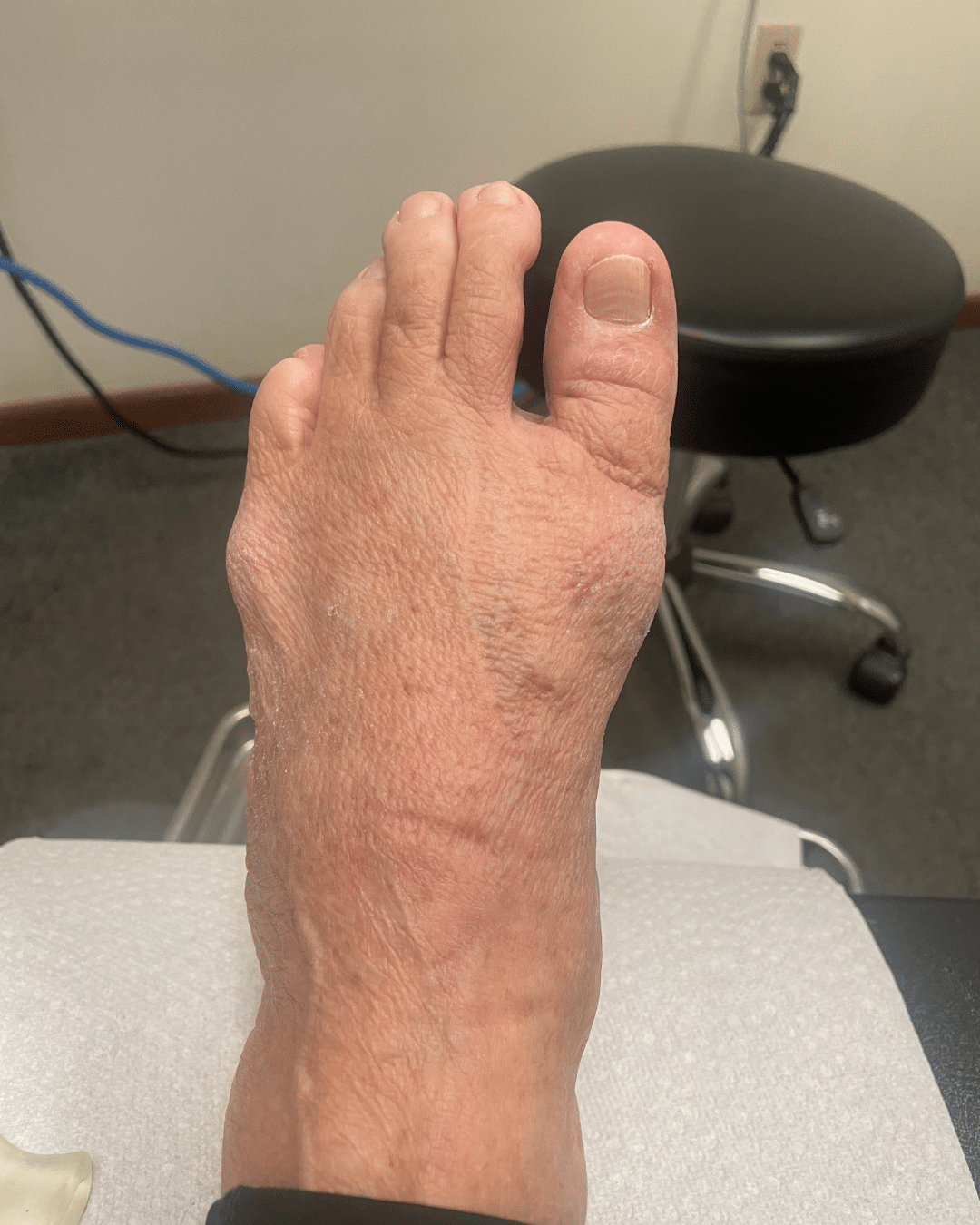
After
Frequently Asked Questions
Can a bunion go away on its own?
No. A bunion is a structural deformity and will not disappear without surgical correction.
Do bunion correctors work?
Toe spacers and splints may temporarily improve comfort but cannot permanently correct the deformity.
Is bunion surgery painful?
Modern surgical techniques and comprehensive pain management help keep patients comfortable throughout recovery.
How long does recovery take?
Recovery depends on the procedure performed, but most patients gradually return to normal activities over several weeks to months.
Schedule Your Bunion Consultation
If a bunion is affecting your comfort or limiting your daily activities, don’t wait for it to become more painful. Early treatment can help relieve discomfort and improve your long-term foot health.
The team at Foot & Ankle Associates of Greater Pittsburgh proudly serves patients throughout Beaver, Greater Pittsburgh, Cranberry Township, Moon Township, Aliquippa, Chippewa Township, and surrounding Western Pennsylvania communities with personalized bunion care.
Call (724) 774-1525 today or request an appointment online to schedule your consultation.
5-stars!
Contact Us
Office
336 College Avenue, Suite 106, Beaver,
PA , 15009
Monday: 8am – 12pm
Tuesday: 8am – 4:30pm
Wednesday: 8am – 4:30pm
Thursday: 8am – 4:30pm
Friday: 8am – 12pm
Saturday: Closed
Sunday: Closed