Big Toe Joint Pain
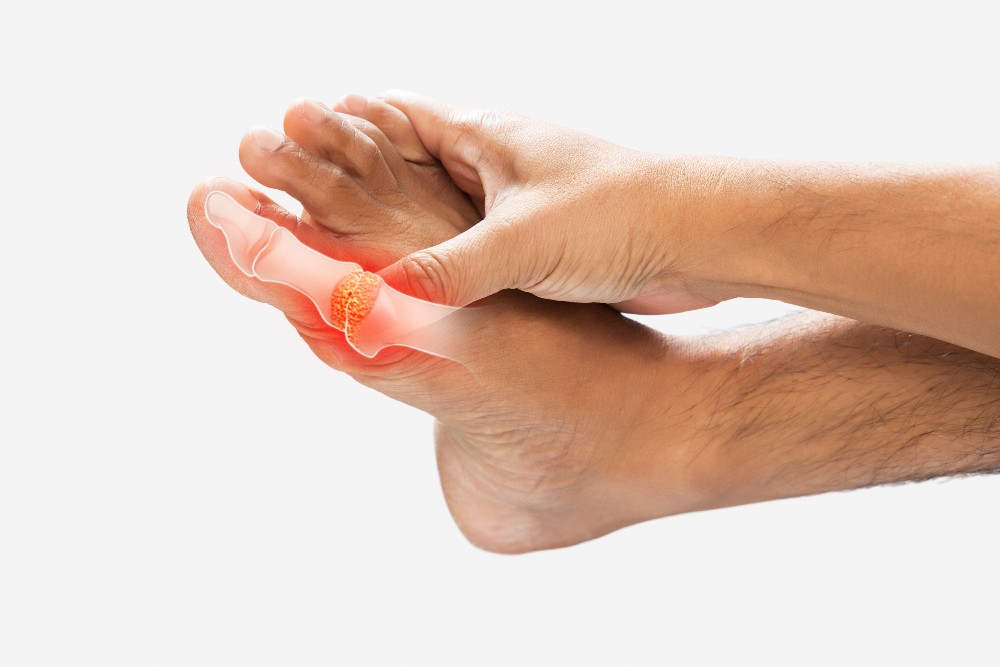
Big toe joint pain is a common condition that can make walking, exercising, and even standing uncomfortable. Many patients notice pain when pushing off while walking, swelling at the base of the big toe, or stiffness that limits movement. Because the big toe plays a critical role in balance and forward motion, even minor joint problems can significantly impact your mobility and quality of life.
Big toe pain can develop from structural deformities, arthritis, inflammation, or sports-related injuries. Without proper treatment, symptoms may worsen over time and lead to chronic pain, joint stiffness, and difficulty walking. Early diagnosis is essential to identify the underlying cause and prevent long-term joint damage.
At Foot & Ankle Associates of Greater Pittsburgh, we specialize in diagnosing and treating big toe joint pain for patients in the Greater Pittsburgh area. Our podiatrists use advanced diagnostic tools and personalized treatment plans to relieve pain, restore joint function, and help patients return to their normal activities safely.
Why Does My Big Toe Joint Hurt?
The big toe joint, medically known as the first metatarsophalangeal (MTP) joint, connects the big toe to the foot and plays a vital role in walking and balance. Each step places significant pressure on this joint, especially during push-off. Because of this constant stress, the joint is vulnerable to cartilage wear, inflammation, structural misalignment, and injury.
Pain in this joint may develop gradually due to arthritis or deformity, or suddenly due to injury or inflammation. Regardless of the cause, untreated big toe joint pain can lead to reduced mobility, joint stiffness, and progressive damage. Professional evaluation allows for accurate diagnosis and effective treatment before the condition worsens.
Common Causes of Big Toe Joint Pain
Several medical conditions can affect the big toe joint. Identifying the exact cause is essential for providing effective, long-lasting relief.
Bunions (Hallux Valgus)
Bunions are one of the most frequent causes of big toe joint pain. This condition develops when the big toe gradually shifts toward the second toe, causing a bony bump to form at the base of the joint. As the deformity progresses, the joint becomes inflamed, painful, and difficult to move.
Many patients experience pain while wearing shoes, swelling around the joint, and worsening deformity over time. Without proper treatment, bunions can lead to chronic joint irritation and mobility limitations.
Hallux Rigidus (Stiff Big Toe)
Hallux rigidus is a form of degenerative arthritis that affects the big toe joint. As cartilage gradually wears away, the bones begin to rub against each other, causing pain, inflammation, and stiffness. Patients often notice difficulty bending the toe, especially during walking or exercise.
Over time, the joint may become increasingly stiff, making everyday activities uncomfortable. Early treatment can help slow progression and improve joint function.
Gout
Gout is an inflammatory condition caused by the buildup of uric acid crystals in the joints. The big toe joint is particularly vulnerable to gout attacks due to its location and lower temperature compared to other joints.
This condition often causes sudden, severe pain, redness, swelling, and warmth in the joint. Gout attacks may occur unexpectedly and can become more frequent without proper medical management.
Arthritis (Osteoarthritis and Rheumatoid Arthritis)
Arthritis is a leading cause of chronic big toe joint pain. Osteoarthritis develops as cartilage breaks down over time, resulting in joint stiffness, inflammation, and reduced mobility. Rheumatoid arthritis, an autoimmune condition, causes the immune system to attack joint tissues, leading to inflammation, swelling, and progressive damage.
Both forms of arthritis can interfere with daily activities and worsen without proper treatment.
Turf Toe
Turf toe is a sprain caused by forceful bending of the big toe joint. This injury commonly affects athletes, particularly those involved in sports that require sudden acceleration, jumping, or direction changes.
Patients with turf toe often experience pain, swelling, and difficulty pushing off the foot while walking or running. Prompt treatment helps prevent long-term joint instability.
Sesamoiditis
Sesamoiditis develops when the small bones beneath the big toe joint become inflamed due to repetitive stress. This condition is common among runners, dancers, and individuals who participate in high-impact activities.
Pain is typically felt beneath the big toe joint and may worsen during walking or physical activity. Early treatment can reduce inflammation and prevent further irritation.
Symptoms That May Indicate a More Serious Problem
Big toe joint pain is not always temporary. Persistent or worsening symptoms may indicate an underlying condition that requires professional treatment. Warning signs include:
- Pain lasting longer than two weeks
- Increasing stiffness or reduced movement
- Swelling that does not improve
- Difficulty walking or bearing weight
- Visible joint deformity
- Recurring flare-ups
Early diagnosis can prevent permanent joint damage and improve long-term outcomes.
Big Toe Joint Pain Treatment Options
Treatment for big toe joint pain depends on the underlying cause, severity of the condition, and your lifestyle. At Foot & Ankle Associates of Greater Pittsburgh, we focus on relieving pain, restoring mobility, and preventing further joint damage.
Conservative Treatment
Many patients experience significant relief with non-surgical treatment. Conservative care focuses on reducing inflammation, improving foot alignment, and relieving pressure on the joint. Treatment may include activity modification, anti-inflammatory medications, custom orthotics, and supportive footwear.
Custom orthotics are especially effective because they improve foot mechanics and reduce stress on the big toe joint. Physical therapy may also be recommended to strengthen surrounding muscles and restore joint mobility.
Injection Therapy
When inflammation is more severe, corticosteroid injections may be used to reduce swelling and relieve pain. These injections can provide long-lasting relief and improve joint function, allowing patients to return to normal activities comfortably.
Surgical Treatment
If conservative treatments do not provide sufficient relief, surgical treatment may be recommended. Surgery is designed to correct structural problems, restore joint alignment, and eliminate pain.
Depending on the condition, procedures may include bunion correction, joint repair, or joint stabilization. Our podiatrists use advanced surgical techniques focused on restoring mobility and improving long-term outcomes.
When Should You See a Podiatrist?
If you are experiencing persistent big toe joint pain, a professional evaluation is essential. Many conditions worsen over time without proper treatment, leading to increased pain and reduced mobility.
Patients in the Greater Pittsburgh area can rely on our experienced podiatry team for accurate diagnosis and personalized treatment. Early care helps prevent complications and ensures faster recovery.
Big Toe Joint Pain Treatment in Beaver & Greater Pittsburgh
Dr. Peter Harper and Dr. Kristin Harper provide expert diagnosis and advanced treatment for big toe joint pain at Foot & Ankle Experts of Greater Pittsburgh. Our practice combines modern technology, personalized care, and proven treatment methods to help patients achieve lasting relief.
We proudly serve patients throughout the Greater Pittsburgh communities with comprehensive foot and ankle care.
Schedule Your Appointment Today
Do not let big toe joint pain limit your mobility or quality of life. Early treatment can relieve pain, improve joint function, and prevent long-term damage.
Call Foot & Ankle Experts of Greater Pittsburgh at (724) 774-1525 or schedule your appointment today to receive expert care and lasting relief.
Contact Us
Office
336 College Avenue, Suite 106, Beaver,
PA , 15009
Monday: 8am – 12pm
Tuesday: 8am – 4:30pm
Wednesday: 8am – 4:30pm
Thursday: 8am – 4:30pm
Friday: 8am – 12pm
Saturday: Closed
Sunday: Closed