Bunion Pain? You’re Not Alone – And You Have Options
If you’ve noticed a bony bump forming at the base of your big toe, you’re not alone. Bunions are one of the most common foot conditions treated by podiatrists in Pittsburgh, affecting people of all ages. They can be painful, frustrating, and may interfere with daily activities such as walking, running, or even finding comfortable shoes. The good news? Bunions are treatable. From simple at-home care to advanced surgical solutions, there are effective ways to manage or even correct bunion pain.
In this blog, we’ll guide you through what bunions are, why they develop, the conservative treatments that can relieve symptoms, and the surgical options available when needed. By understanding your options, you can take control of your foot health and prevent bunions from disrupting your lifestyle.
What Is a Bunion?
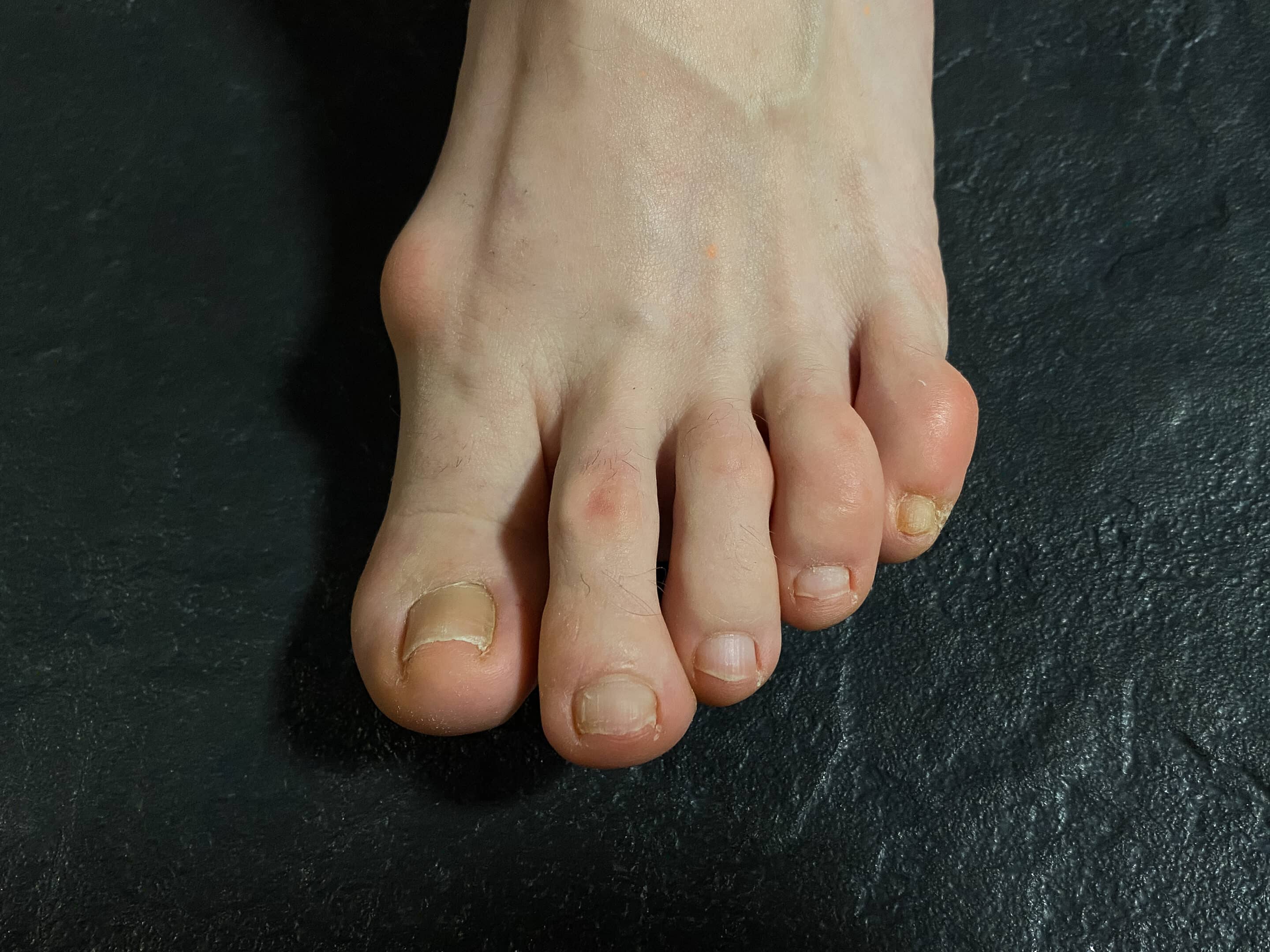
A bunion, medically known as hallux valgus, is a bony bump that develops at the base of the big toe. It forms when the bones in the front part of your foot become misaligned, causing the big toe to lean toward the smaller toes. This misalignment creates the characteristic bump on the side of the foot, which may become increasingly painful over time.
How Bunions Form
Bunions often develop due to a combination of factors:
- Genetics: Inherited foot shapes and structures can make some people more prone to bunions.
- Footwear: Shoes that are too tight, narrow, or high-heeled can put pressure on the toes and contribute to bunion formation.
- Foot mechanics: Flat feet, low arches, or abnormal gait patterns can increase stress on the big toe joint.
- Medical conditions: Arthritis or other inflammatory conditions can worsen bunion development.
Symptoms to Watch For
Common signs of a bunion include:
- A visible bump at the base of the big toe
- Swelling, redness, or tenderness around the joint
- Pain when walking, standing, or wearing shoes
- Limited movement of the big toe
Can You Get Rid of a Bunion Without Surgery?
Many people ask: Can I get rid of a bunion without going under the knife?
The short answer: Once a bunion forms, it cannot completely disappear without surgery. However, conservative treatments can significantly reduce pain, slow progression, and help you maintain a normal lifestyle.
Early intervention is key. Addressing a bunion in its early stages can prevent the deformity from worsening and may delay or even eliminate the need for surgery.
At-Home Remedies to Relieve Bunion Pain
Here are effective strategies to reduce discomfort and protect your feet:
- Wear Better Shoes
Choose shoes with a wide toe box, good arch support, and low heels. Avoid tight, narrow, or pointy shoes that push your toes together. - Use Orthotic Inserts
Custom orthotics help correct foot alignment and redistribute pressure across the foot, relieving stress on the bunion. - Ice and Elevation
Applying ice after activity helps reduce swelling. Elevating the foot also helps minimize inflammation. - Bunion Pads or Cushions
Soft pads relieve direct pressure when walking, reducing friction and discomfort. - Toe Spacers or Splints
Devices that gently separate and realign toes can help prevent worsening of the bunion, particularly in its early stages. - Anti-Inflammatory Medications
Over-the-counter NSAIDs, like ibuprofen, can temporarily reduce pain and swelling. - Foot Exercises
Simple exercises, such as toe stretches, toe curls, or picking up objects with your toes, help maintain flexibility in the big toe joint.
When Is Bunion Surgery Necessary?
Surgery may be necessary if conservative treatments fail or the bunion significantly affects your daily life. Signs that surgery might be needed include:
- Chronic pain that prevents walking or wearing shoes comfortably
- Worsening deformity or misalignment
- Difficulty performing daily activities or exercise
Bunion surgery, called a bunionectomy, is a common procedure that removes the bony bump and realigns the bones, ligaments, and tendons in the foot. Modern surgical techniques are less invasive, more effective, and allow for faster recovery than in the past.
What to Expect from Bunion Surgery
Understanding the surgical process can ease anxiety:
- Outpatient procedure: Most bunion surgeries are performed without an overnight hospital stay.
- Recovery time: Typical recovery ranges from 6 to 8 weeks, depending on the severity of the bunion and the surgical technique used.
- Post-surgery care: You may need a surgical boot, crutches, or physical therapy to regain strength and mobility in your foot.
- Long-term results: With proper care and adherence to post-operative instructions, patients can expect improved foot function, reduced pain, and better shoe comfort.
How to Prevent Bunions from Getting Worse
Even after managing symptoms, you can take steps to prevent bunions from worsening:
- Wear shoes with wide toe boxes and proper support
- Avoid tight or high-heeled shoes for long periods
- Avoid activities that aggravate the bunion without proper footwear or protection
- Maintain a healthy weight to reduce stress on your feet
- Regularly monitor the bunion for changes and schedule early check-ups with a podiatrist
When to See Our Podiatrists
Contact our office if you notice:
- Persistent pain that does not improve with home remedies
- The bunion is visibly getting larger or misaligned
- Walking or standing becomes uncomfortable
Early professional care can prevent the bunion from worsening and may even reduce the likelihood of needing surgery.
Don’t Wait for Bunion Pain to Get Worse
Bunions may be common, but living with pain doesn’t have to be your reality. With proper care, you can manage symptoms, prevent progression, and, if necessary, correct the deformity surgically. Early attention to foot health is the key to walking comfortably for years to come.
Struggling with bunion pain? Contact Foot & Ankle Associates of Greater Pittsburgh today to explore your treatment options. Our expert foot and ankle specialists are dedicated to helping you regain comfort and mobility. Call (724) 774-1525 or schedule an appointment online to take the first step toward pain-free walking.
Contact Us
Office
336 College Avenue, Suite 106, Beaver,
PA , 15009
Monday to Friday : 8am – 4:30pm
Saturday : Closed
Sunday : Closed