How to Treat Bunions at Home: When to See a Podiatrist in Beaver, PA)
Home Remedies for Bunions: What Works and When to See a Podiatrist in Pittsburgh
If you are experiencing pain at the base of your big toe, along with swelling, redness, or difficulty wearing shoes, you may be dealing with a bunion. This common condition often leads people to search for home remedies that can provide relief without medical intervention.
While certain at-home treatments can help ease discomfort and reduce inflammation, they cannot reverse the structural changes causing the bunion. For patients in the Pittsburgh area, the specialists at Foot and Ankle Associates of Greater Pittsburgh provide expert care when symptoms begin to interfere with daily life.
What Is a Bunion?
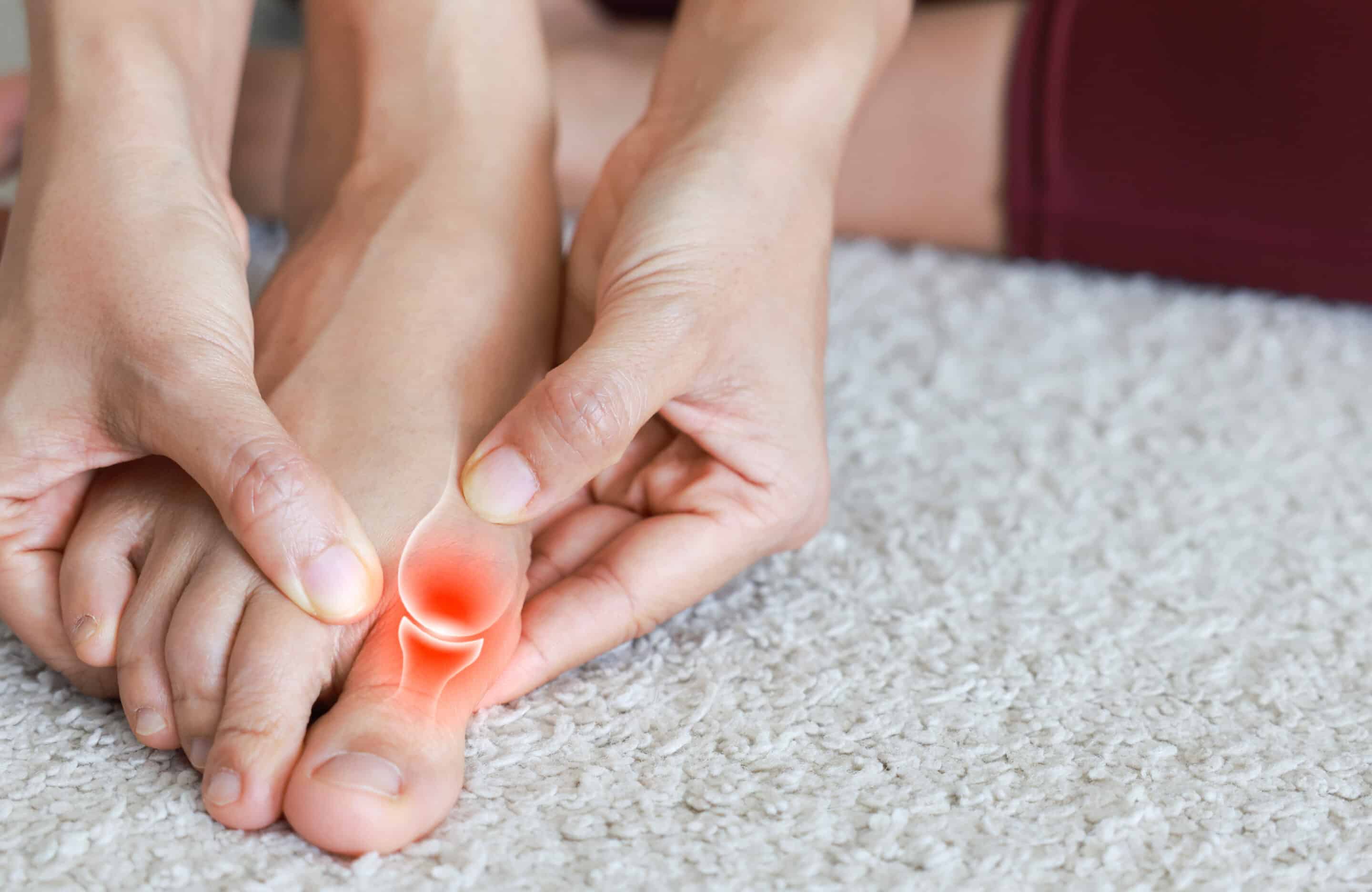
A bunion, medically referred to as hallux valgus, is a progressive deformity of the big toe joint. It develops when the big toe gradually shifts inward toward the second toe, creating a prominent bump on the side of the foot.
This misalignment is often influenced by inherited foot structure, abnormal biomechanics, and long-term use of tight or narrow footwear. In some cases, arthritis can also contribute to joint instability and bunion formation. Over time, the condition can worsen, making early management especially important.
Can You Treat a Bunion at Home?
Home care can play a meaningful role in managing bunion symptoms, particularly in the early stages. However, it is important to understand the distinction between relieving symptoms and correcting the condition itself.
At-home remedies are most effective for reducing inflammation, minimizing irritation, and improving comfort during daily activities. When pain becomes persistent, mobility is affected, or the bunion continues to enlarge, a professional evaluation is recommended to prevent further progression.
7 Safe Home Remedies for Bunion Pain Relief
Ice Therapy for Inflammation
Applying ice to the affected area can help calm inflammation and temporarily relieve pain. This is especially beneficial after long periods of standing, walking, or exercise when the joint becomes irritated.
Proper Footwear and Shoe Modifications
Wearing supportive shoes with a wide toe box can significantly reduce pressure on the bunion. Avoiding narrow styles and high heels helps prevent further irritation. Many patients in Greater Pittsburgh notice a meaningful improvement simply by switching to more accommodating footwear.
Over-the-Counter Anti-Inflammatories
Nonsteroidal anti-inflammatory medications can help reduce both pain and swelling when used appropriately. They can be useful during flare-ups, although they should not be relied upon as a long-term solution without guidance.
Bunion Pads and Cushions
Protective padding can reduce friction between the bunion and your shoes, helping to prevent irritation throughout the day. While these products improve comfort, they do not correct the alignment of the joint.
Custom Orthotics
Custom orthotics are designed to support your unique foot structure and improve overall biomechanics. By redistributing pressure more evenly, they can help reduce strain on the bunion and slow its progression.
Gentle Toe Exercises
Incorporating simple exercises such as toe stretches and toe spreads can help maintain joint flexibility and reduce stiffness. Over time, this may contribute to improved comfort and mobility.
Epsom Salt Soaks
Soaking your feet in warm water with Epsom salt can provide a soothing effect, helping to relax muscles and temporarily ease soreness after a long day.
Do “Natural” Remedies Shrink Bunions?
It is a common misconception that natural remedies can shrink or eliminate bunions. In reality, bunions are caused by changes in bone alignment, which cannot be reversed without medical intervention.
Some remedies, including herbal treatments or topical applications, may provide mild relief from inflammation, but they do not address the root cause of the deformity. Maintaining realistic expectations is key when exploring at-home care.
When Should You See a Podiatrist for a Bunion?
If your bunion begins to interfere with daily activities or consistently causes discomfort, it is time to seek professional care. Warning signs include ongoing pain, difficulty walking, swelling that does not improve, or changes in toe alignment.
Patients in the Greater Pittsburgh area can benefit from early evaluation, as timely treatment often helps prevent the condition from worsening.
Non-Surgical Bunion Treatment Options
Many bunions can be effectively managed without surgery, especially when addressed early. Treatment may include custom orthotics, protective padding, footwear adjustments, and targeted physical therapy. These approaches focus on improving function, reducing pain, and slowing progression while allowing patients to maintain their lifestyle.
When Is Bunion Surgery Necessary?
Surgery is typically considered when conservative treatments no longer provide relief or when the deformity significantly impacts mobility and quality of life. Modern surgical techniques are designed to correct alignment while minimizing downtime, allowing for a smoother recovery compared to older procedures.
Frequently Asked Questions About Bunions
Can bunions go away on their own?
Bunions do not resolve without treatment and tend to progress over time.
What makes bunions worse?
Tight footwear, prolonged pressure, and poor foot mechanics can all contribute to worsening symptoms.
Do bunion correctors work?
They may help improve comfort temporarily, but do not permanently fix the deformity.
Are bunions hereditary?
Yes, genetics often plays a significant role in bunion development.
Is bunion surgery painful?
With modern techniques, discomfort is typically manageable, and recovery is more efficient.
How long does bunion recovery take?
Recovery time varies but generally ranges from several weeks to a few months, depending on the procedure.
Bunion Treatment in Greater Pittsburgh
At Foot and Ankle Associates of Greater Pittsburgh, patients receive comprehensive, personalized care for bunions at every stage. Their experienced team focuses on both relieving pain and addressing the underlying cause, serving Pittsburgh and surrounding communities with a patient-first approach.
Home remedies can be a helpful first step in managing bunion discomfort, especially when symptoms are mild. However, they are not a cure for the condition itself.
If your pain persists or begins to affect your daily routine, seeking early evaluation can make a significant difference in long-term outcomes.
Take the Next Step
If you are ready to find lasting relief, schedule an appointment today. Call the office or book online to receive a personalized treatment plan tailored to your needs.
Contact Us
Office
336 College Avenue, Suite 106, Beaver,
PA , 15009
Monday to Friday : 8am – 4:30pm
Saturday : Closed
Sunday : Closed