How Do I Get Rid of a Bunion?
You’re Not Alone – Bunions Are Common (and Treatable)
Bunions are a common foot condition that can cause pain, swelling, and discomfort when walking or wearing shoes. Many people experience bunion pain, and the good news is that there are both conservative and surgical ways to manage or eliminate them. This blog will walk you through the options available, from at-home remedies to medical interventions, so you can take control of your foot health.
What Is a Bunion?
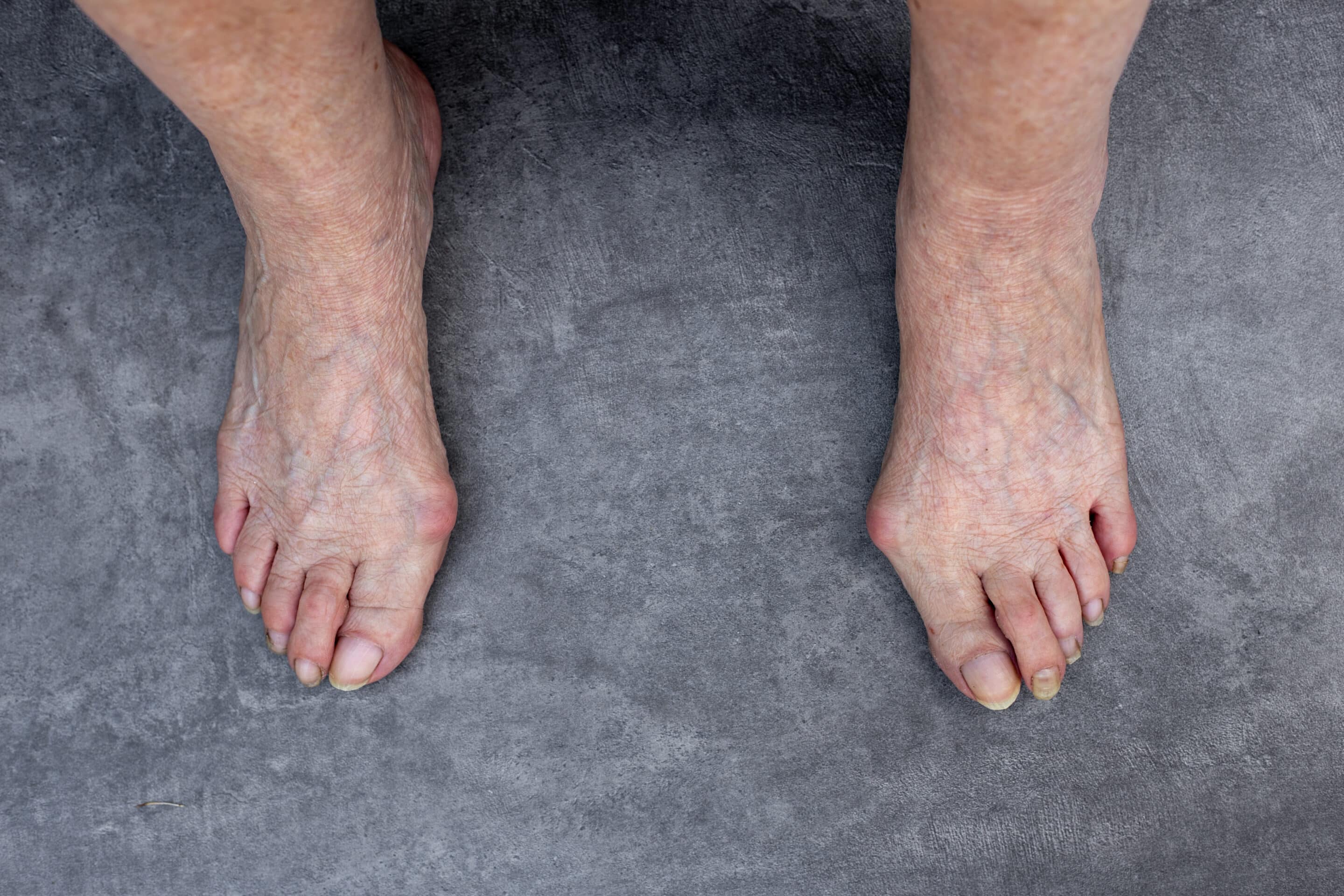
A bunion, medically known as hallux valgus, is a bony bump that forms at the base of the big toe. This occurs when the bones in the front of the foot become misaligned, causing the big toe to lean toward the second toe.
Bunions can develop for several reasons:
- Genetics: Foot structure and inherited traits can increase susceptibility.
- Footwear: Tight, narrow, or high-heeled shoes can exacerbate misalignment.
- Foot mechanics: Flat feet, abnormal gait, or loose ligaments can contribute.
Symptoms include:
- Swelling and redness around the big toe joint
- Pain while walking or wearing shoes
- Restricted movement of the toe
Can You Get Rid of a Bunion Without Surgery?
The short answer: not entirely. You may not be able to fully correct the deformity without surgical intervention, but early treatment can manage symptoms, reduce pain, and slow progression. Conservative approaches work best when the bunion is in the early stages.
At-Home Remedies to Relieve Bunion Pain
Even if surgery may eventually be necessary, there are several ways to ease bunion discomfort:
- Wear Better Shoes: Choose shoes with a wide toe box and good arch support. Avoid high heels and pointy shoes that put pressure on the bunion.
- Use Orthotic Inserts: Custom orthotic inserts help improve foot alignment and reduce pressure on the affected area.
- Ice and Elevation: Applying ice packs and elevating the foot after activity can help reduce swelling and inflammation.
- Bunion Pads or Cushions: These pads relieve direct pressure on the bunion while walking, making shoes more comfortable.
- Toe Spacers or Splints: Wearing toe spacers or splints at night may help realign toes and slow progression, particularly in early stages.
- Anti-Inflammatory Medications: Over-the-counter NSAIDs, such as ibuprofen, can temporarily reduce pain and swelling.
When Is Bunion Surgery Necessary?
Surgery may be considered if conservative methods are no longer effective. Common signs include:
- Chronic pain affects daily activities
- Difficulty walking or wearing shoes
- Progressive deformity
Bunion surgery, known as a bunionectomy, involves removing the bony bump and realigning the bones, ligaments, and tendons. Modern techniques are highly effective and less invasive than in the past.
What to Expect from Bunion Surgery
Bunion surgery is often an outpatient procedure, meaning you can go home the same day. Recovery depends on severity and procedure type, typically taking 6–8 weeks. After surgery, you may need:
- A surgical boot
- Crutches for mobility
- Physical therapy to restore strength and flexibility
How to Prevent Bunions from Getting Worse
Even after treatment, it’s important to prevent recurrence or worsening:
- Wear properly fitting, supportive shoes
- Avoid activities that worsen pain, such as tight shoes or high-impact sports without support
- Monitor changes and visit our podiatrists early
- Maintain a healthy weight to reduce pressure on your feet
When to See Our Expert Podiatrists
Seek professional care if:
- Pain persists despite home remedies
- The bunion continues to grow
- Walking becomes difficult
Early evaluation can often prevent the need for surgery altogether and provide long-term relief.
Get Relief from Bunion Pain Today
Struggling with bunion pain? Contact Foot & Ankle Associates of Greater Pittsburgh today to explore your treatment options. Our foot and ankle specialists can help you walk comfortably again. Call (724) 774-1525 or schedule your appointment online now.
Contact Us
Office
336 College Avenue, Suite 106, Beaver,
PA , 15009
Monday to Friday : 8am – 4:30pm
Saturday : Closed
Sunday : Closed