
What Is A Heel Spur?
Why Your Heel Pain Might Be More Than Simple Soreness
Have you ever stepped out of bed in the morning and felt a sharp, stabbing pain in your heel? Many people brush it off as normal foot fatigue, especially after a busy or active day. However, ongoing heel pain can sometimes signal a deeper issue—such as a heel spur.
Heel spurs are more common than many realize and often develop quietly over time. In this article, we’ll break down what a heel spur is, what causes it, how it’s diagnosed, and when professional treatment may be needed to find relief.
What Is a Heel Spur?
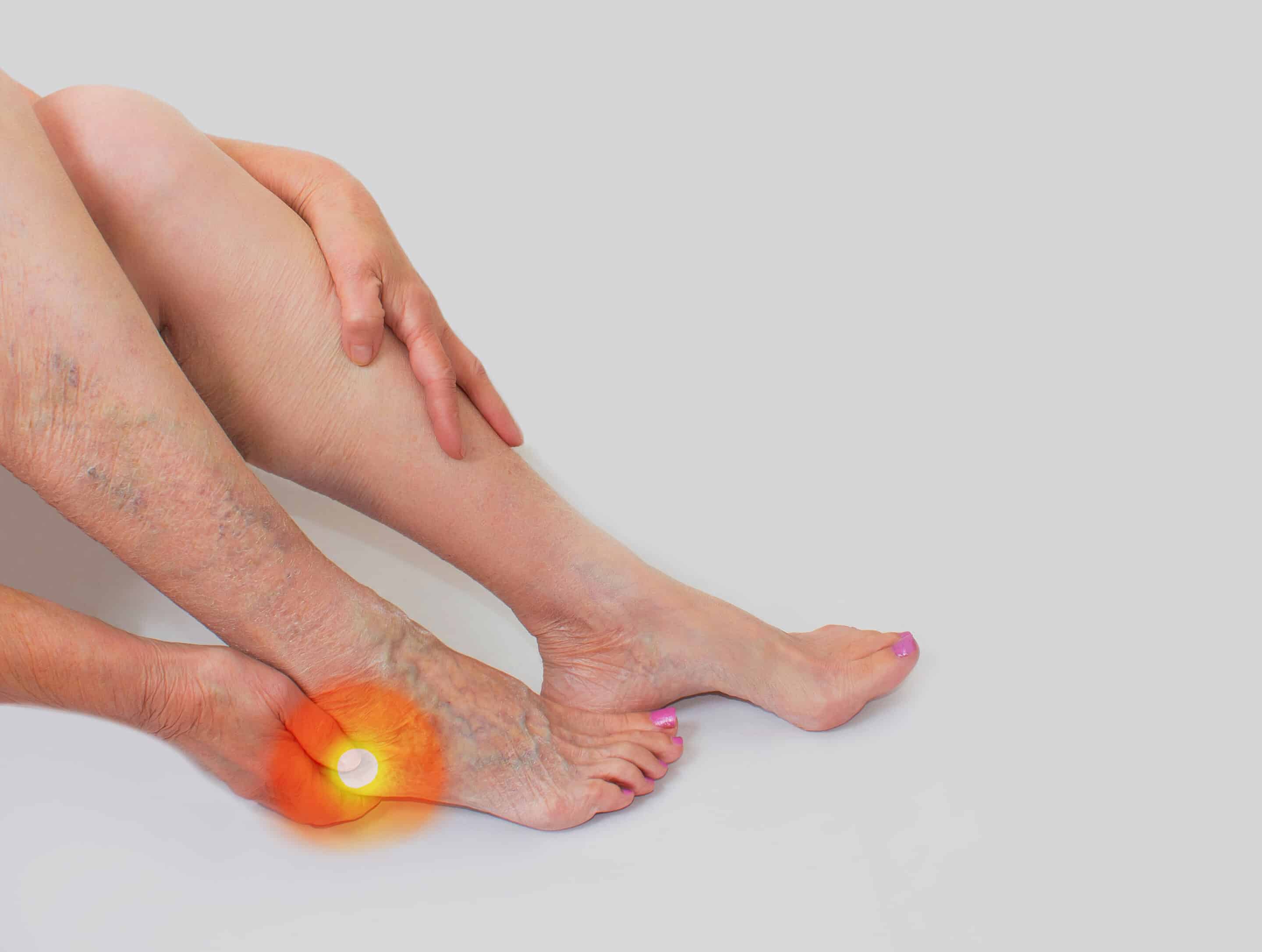
A heel spur is a small bony growth caused by calcium buildup on the heel bone. It most often forms on the underside of the heel where the plantar fascia—the ligament that supports the arch of your foot—connects to the heel.
These growths typically develop gradually due to repeated stress on the foot. In many cases, heel spurs are discovered during an X-ray for heel pain or another foot issue, even if the person has no symptoms at all.
It’s important to note:
- A heel spur does not always cause pain
- Heel pain does not always mean a heel spur is present
Discomfort usually comes from inflammation in the surrounding tissues rather than the spur itself.
What Causes Heel Spurs?
Heel spurs develop as a result of chronic stress and strain on the foot. Over time, repeated pulling on the plantar fascia and heel muscles can lead to calcium deposits forming along the heel bone.
Common contributing factors include:
- Wearing unsupportive or worn-out footwear
- Repetitive impact from walking, running, or prolonged standing
- Poor foot mechanics or abnormal gait
Heel spurs are more likely to develop in individuals who have:
- Plantar fasciitis
- Flat feet or unusually high arches
- Occupations that require standing or walking for long hours
- Excess body weight, which increases pressure on the heels
Common Symptoms of a Heel Spur
Symptoms can vary from person to person, but many individuals report:
- Sharp or stabbing pain at the bottom of the heel
- Pain that’s most noticeable first thing in the morning or after rest
- Heel tenderness or localized inflammation
- Increased discomfort when walking barefoot on hard surfaces
Heel Spur vs. Plantar Fasciitis
Although closely related, heel spurs and plantar fasciitis are not the same condition.
- Plantar fasciitis involves inflammation of the plantar fascia and often causes intense morning pain that eases as the foot warms up
- Heel spurs are bony formations that may exist with or without pain
Many patients experience both conditions at the same time, which is why an accurate diagnosis is essential.
How Are Heel Spurs Diagnosed?
Diagnosis begins with a comprehensive exam by our podiatrists, who will evaluate your symptoms, foot structure, and walking pattern.
Diagnostic steps may include:
- X-rays to confirm the presence of a heel spur
- Assessment of surrounding soft tissue inflammation
- Ruling out other possible causes of heel pain, such as stress fractures or nerve-related issues
This approach ensures the treatment plan targets the true source of your pain.
Do Heel Spurs Go Away on Their Own?
The bony spur itself does not disappear. However, heel spur pain can often be relieved or completely resolved with proper treatment.
Most treatment plans focus on reducing inflammation, improving foot support, and addressing underlying conditions like plantar fasciitis. The good news is that surgery is rarely required, and most patients improve with conservative care.
When Should You See Our Podiatrists?
It’s time to seek professional care if:
- Heel pain lasts more than a few weeks
- Pain interferes with daily activities or walking
- At-home treatments no longer provide relief
- You want to prevent long-term foot problems
Early intervention can significantly improve outcomes and shorten recovery time.
Early Treatment Leads to Better Results
Heel spurs can cause ongoing discomfort, but they are highly manageable with the right care. Identifying the cause of heel pain early can help prevent worsening symptoms and long-term complications.
If heel pain is affecting your daily life, don’t ignore it. Think you might have a heel spur? Contact our podiatry team to help you find relief and get back to moving comfortably.
Contact Us
Office
336 College Avenue, Suite 106, Beaver,
PA , 15009
Monday to Friday : 8am – 4:30pm
Saturday : Closed
Sunday : Closed